NEW!
Meet Flyntlok at Equip Expo 2026:
.webp)
October 2, 2026
When a customer postpones a new equipment purchase, the relationship with your dealership does not have to pause with it. That machine still needs maintenance, repairs, parts, and a team the customer trusts to keep it working.
This is a timely opportunity for equipment dealers. In Fusable’s 2026 Dealer Insights Report, 64% of surveyed dealers said they expect customers to delay purchases and hold onto equipment longer in 2026. Rising equipment costs were the most commonly cited economic pressure, selected by 70% of respondents.
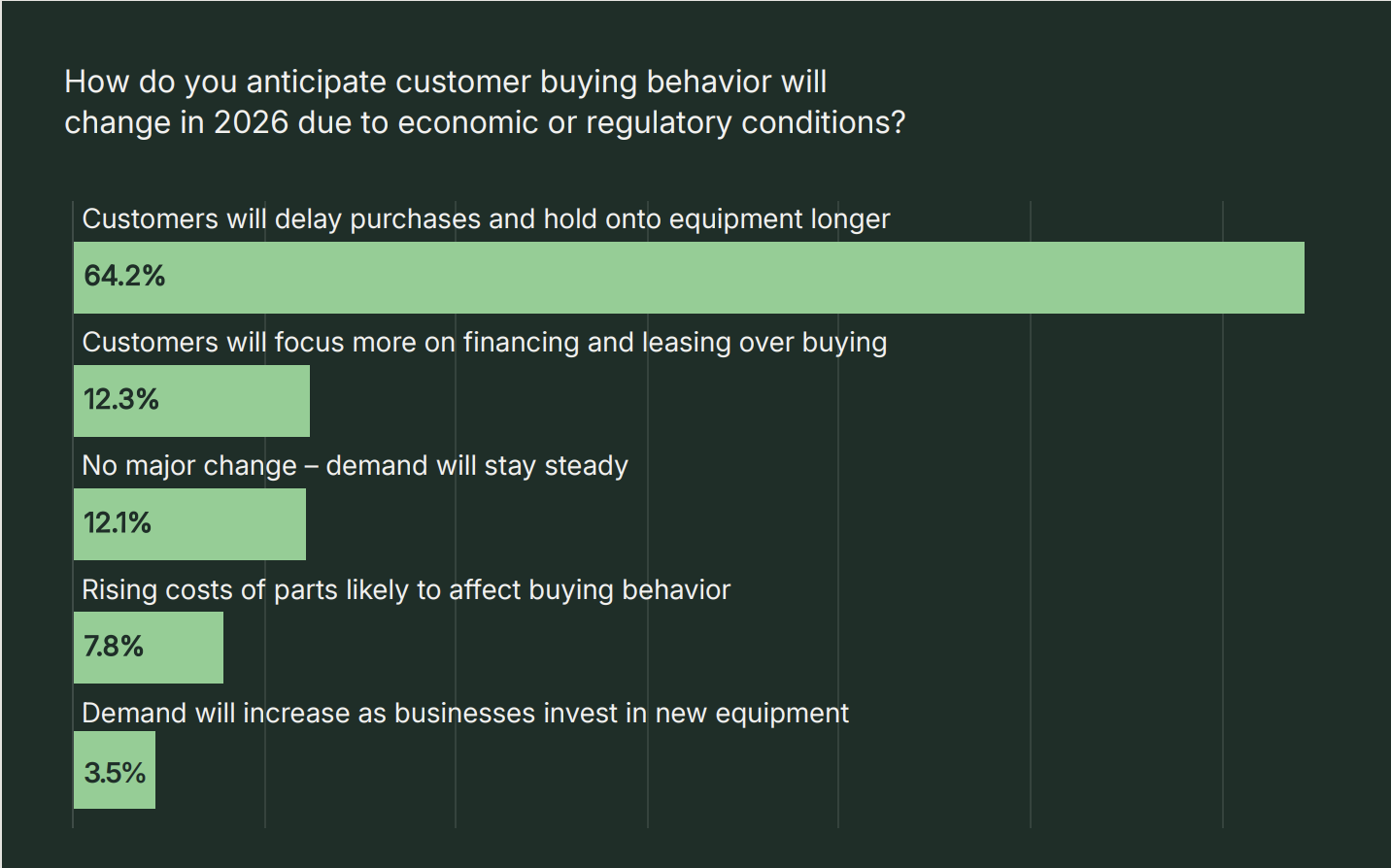
Those are dealers’ expectations, not a forecast of how many service visits will follow. But they raise a practical question: If more customers keep the equipment they own, how will your dealership make it easy for them to maintain it with you?
In the same survey, 43% of dealers identified service and maintenance support as a way they differentiate their businesses from online marketplaces. Local reputation and trust (65%) and personalized customer service (58%) ranked even higher. The opportunity is to put those strengths to work after the sale, when a customer needs help getting another season or another year from a machine.
That starts well before a work order opens. In Flyntlok Unlocked Episode 3: Growing Service Revenue, Alex Clementi walks through an end-to-end approach: bring customers back, identify needed work, retain them for future maintenance, and make the most of the technician time available.
Here is what that can look like in practice.
A dealership may already know which customers own a particular machine, when it last came through the shop, and which maintenance intervals are approaching. The challenge is turning that information into a timely conversation.
That challenge reflects a broader technology problem: 38% of dealers named a lack of integration between platforms as their biggest frustration with their current technology systems. When machine records, service history, and customer outreach sit in separate places, timely maintenance follow-up takes more effort.
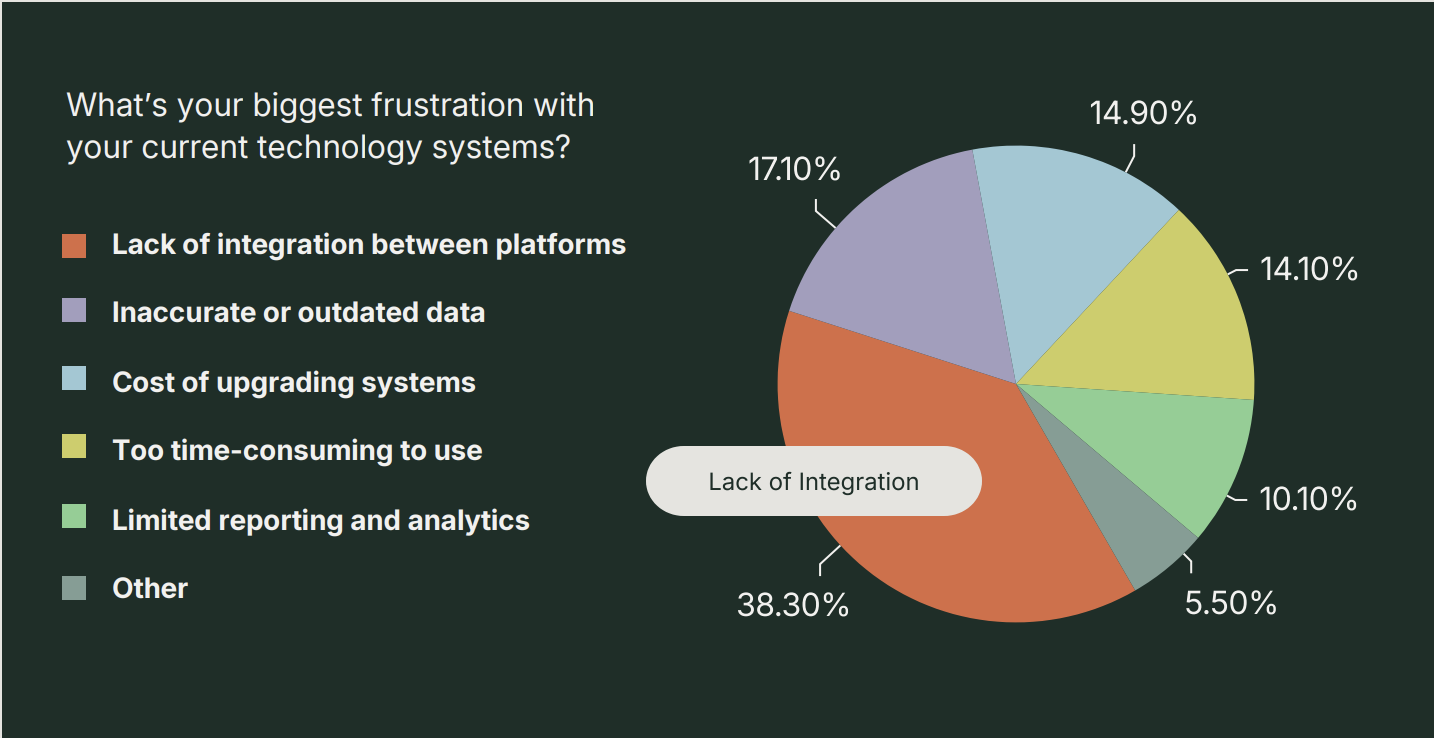
With Flyntlok’s machine records, maintenance schedules, service history, and built-in CRM, the team has the context to reach out about a real need. AI-powered Smart Campaigns can help identify a relevant audience, draft targeted SMS outreach, and bring interested replies into a lead and human follow-up workflow. A service reminder tied to a customer’s equipment is more useful than a generic promotion sent to every name on a list.
In Episode 3, Alex demonstrates a campaign aimed at customers with maintenance due or overdue. The goal is simple: give the service team a way to start the conversation before the customer calls with a breakdown.
Once a machine is in the shop, a consistent digital walk-around inspection helps the team document its condition and spot work that should be discussed with the customer. In Flyntlok, inspection templates can be part of the work order, with findings and recommended repairs recorded where the service team can act on them.
That is a better customer conversation than an unexpected charge at pickup. The team can show what it found, explain what needs attention now, and record what the customer chooses to defer. Prepaid maintenance plans and equipment-specific schedules create another reason to stay in touch and make the next visit easier to plan.
Proactive outreach only works if the dealership can follow through. Before promising a maintenance appointment, the service writer needs to know what parts are available, which location has them, and when the shop can take the work.
Flyntlok connects parts management and service workflows in the DMS. Parts teams can see inventory across locations, while Smart Stocking uses actual usage and seasonal demand to inform replenishment decisions. Those tools help dealers prepare for recurring service needs without treating every part as something to stock everywhere.
Capacity matters just as much. In Fusable’s survey, 45% of dealers named hiring and retaining skilled employees among their two biggest day-to-day operational challenges. Flyntlok’s real-time Service Dashboard gives managers a view of productivity, efficiency, and labor recovery so they can see where work is getting stuck and make better use of the team they have.
The completed work order should make the next interaction easier. A clear record of what was done, what was recommended, and when the machine is due again gives the customer confidence and gives the dealership a useful reason to follow up.
That continuity has value beyond the next work order. In Fusable’s survey, 52% of dealers selected existing relationships as one of their top two lead sources. A timely service reminder, a clear inspection record, and dependable follow-through help the dealership stay useful throughout the life of a customer’s equipment.
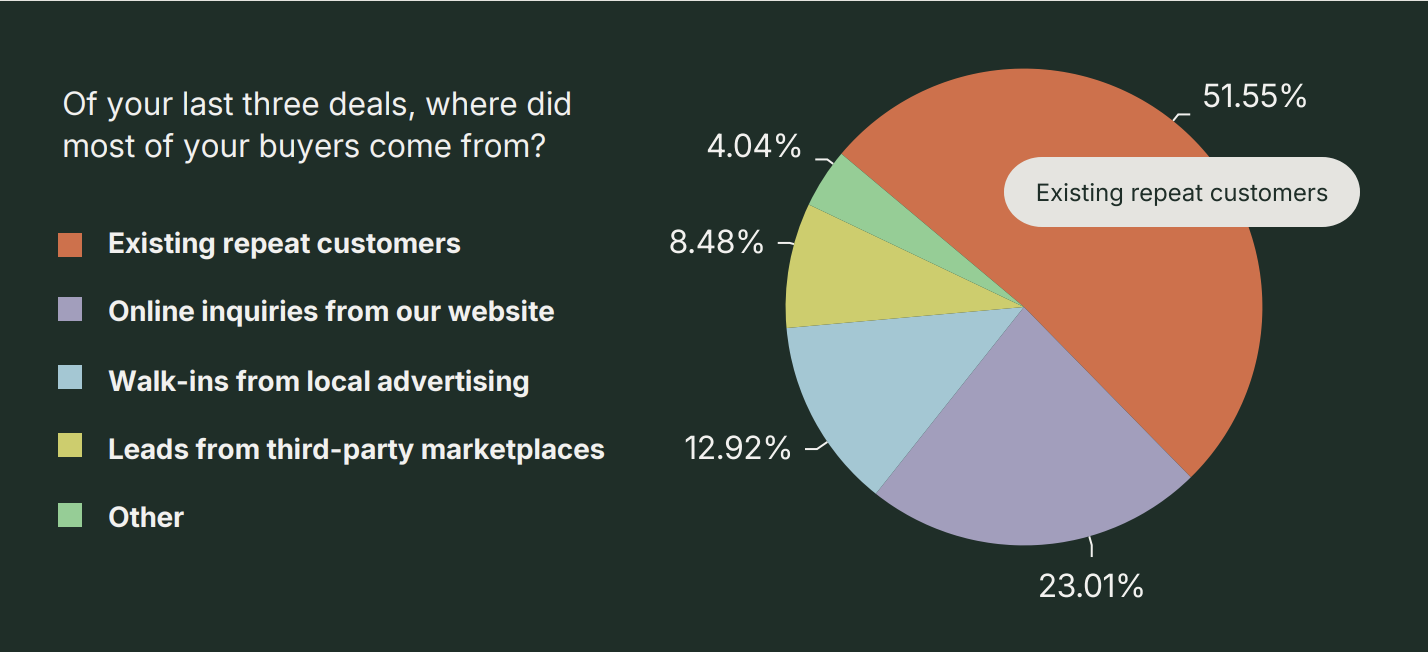
This is the larger lesson in the Fusable report. Customers may take longer to replace equipment, but the dealer relationship continues throughout the machine’s life. The dealerships that know their customers’ equipment, reach out at the right time, document needed work, and deliver efficiently are better positioned to earn that ongoing service business.
Want to see the workflow? Watch Flyntlok Unlocked Episode 3 for Alex Clementi’s walkthrough of digital inspections, maintenance plans, the Service Dashboard, and Smart Campaigns. Or request a Flyntlok demo to see how the pieces work together for your dealership.
About the research: Fusable surveyed 400 verified North American equipment dealers in April 2026. The sample included agriculture (50%), heavy construction (32%), trucks and trailers (15%), and smaller shares of material handling and lift/access dealers. Percentages above describe survey responses, not measured changes in service revenue.